Health data is everywhere. Wearables monitor sleep, heart rate, and activity. Connected devices measure everything from weight to medication use. Yet, each day, all that information still has to help answer one practical question: What should I do today? For organizations aiming to improve outcomes across large populations, answering that question intelligently and repeatedly could make all the difference.
The Gap Between Knowing and Doing
A health recommendation may be scientifically sound but difficult to put into practice. “Exercise more.” “Build strength.” “Prioritize recovery.” “Stay hydrated.” None of those instructions are wrong, but they still require the individual to interpret what the advice means and how to act on it.
For organizations trying to translate health guidance into real-world behavior, that gap matters. A protocol can define the goal, but outcomes ultimately depend on what happens between clinical visits, check-ins, and other care points. The opportunity is to use health technology not only to understand what’s already happened, but also to help guide what comes next. Achieving that requires context, not isolated data points.
Context Changes the Recommendation
The same data point can have different implications depending on the person and the circumstances. For example, a higher-than-usual heart rate after exercise might simply reflect increased effort. However, when combined with poor sleep, a stretch of more intense activity, or signs of fatigue, it may signal a need for more recovery time.
This example illustrates a broader point: useful guidance depends on context. By considering biometrics alongside health protocols, recent behavior, and other relevant information, the system can get a clearer picture of what someone may need at that moment. Because those inputs are constantly changing, the guidance may need to adapt as well. That kind of continuous interpretation and adaptation is at the heart of PEAR Training Intelligence®.
GLP-1s Show Why Context Matters
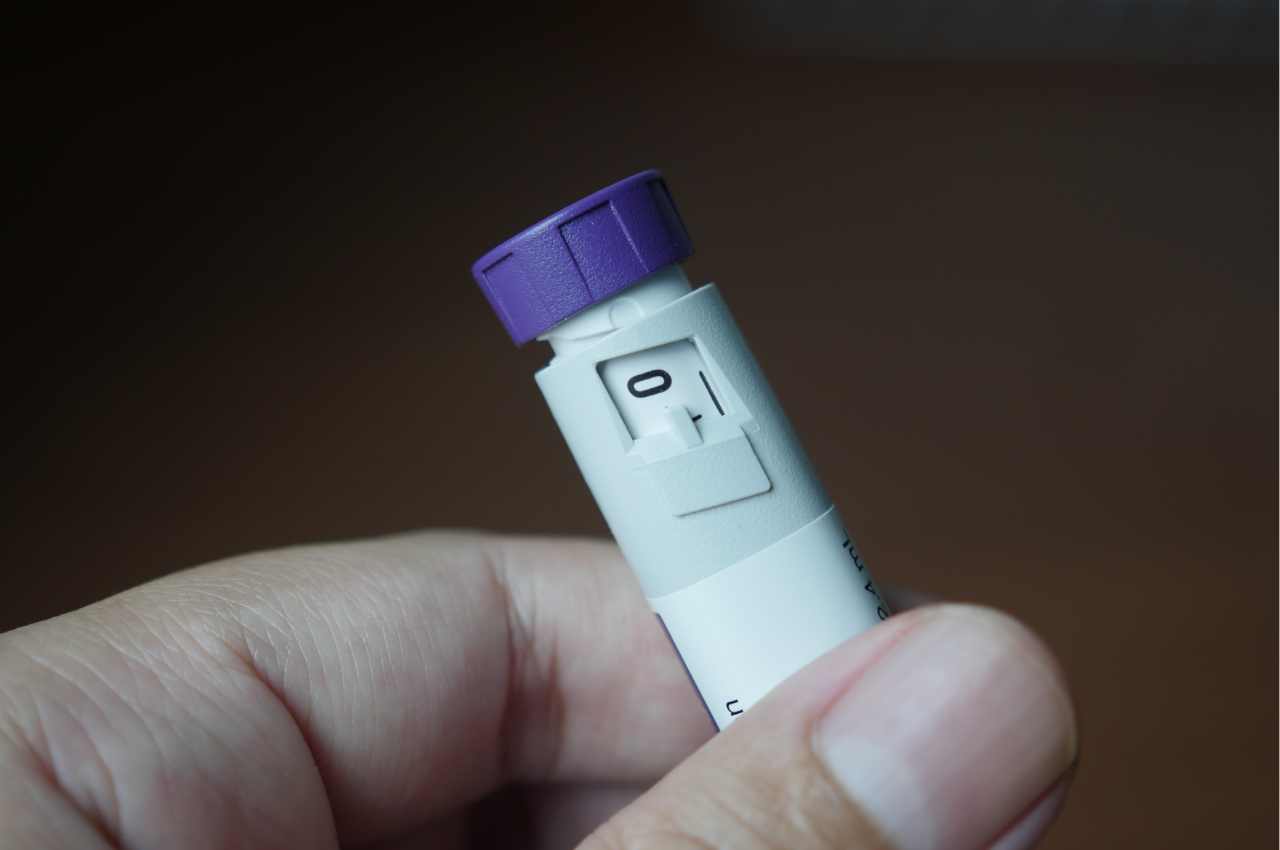
GLP-1 therapy is a good example of how much individual needs can differ. These medications often produce significant weight loss, but the number on the scale doesn’t tell the whole story. A 2026 meta-analysis found that lean mass accounted for roughly 25% to 39% of total weight lost. The analysis also found that lifestyle programs that included resistance training did a better job of preserving lean mass.
But even that guidance can’t be applied the same way to everyone. One person taking a GLP-1 medication may be ready to do more strength training, while another may be dealing with fatigue or nausea and require a different approach that day.
This is where individualized guidance becomes especially valuable. The right amount and type of movement may need to change based on a person’s response, recovery, and progress. Rather than following a fixed exercise plan, the goal is to use current information to help determine the most appropriate action for that moment.
From Protocol to What Happens Next
This is where agentic health AI (What is Agentic Health AI and Why It Matters Now) becomes practical. Its value is not simply in analyzing more data, but in using it to make and refine decisions over time. That happens through a continuous cycle: assess the individual, recommend an action, observe the response, interpret what changed, and adjust as needed.
That adaptive process (Inside Adaptive Health AI: 5 Steps That Turn Data into Recommendations) can help turn a fitness goal, clinical protocol, or pharmaceutical regimen into something far more useful: a practical action step that a person can take today.
For organizations aiming to improve outcomes at scale, the real opportunity is to make that kind of individualized guidance possible across entire populations, while continuing to adapt to the needs of each person.