It’s easy for fitness technology to seem personalized. Ask someone about their age, goals, preferences, and fitness level. Feed those answers into an algorithm to generate a plan. But true adaptation begins after that plan is created. For AI to adapt to an individual, it needs to keep learning from new information and use what it learns to recommend what should happen next. So how does that work? It comes down to five steps.
Step 1: Establish a Baseline
For an adaptive system to adjust intelligently, it first needs to know where the person is starting. That begins with an assessment. A good assessment goes further than age and goals. It establishes where someone is starting from physically and behaviorally, including any physical limitations they are working around.
As Mark Gorelick, Ph.D., Principal Scientist, Algorithmic Health at Pear Health Labs®, points out, “The first step is to build an initial model of the individual. Two people may have the same goal, but their starting points can be very different. That baseline gives the AI context it needs to make its first decision.”
Step 2: Learn From What Happens Next
After the system makes a recommendation, it receives new information in return. As new biometric and activity data become available, the system gains a more accurate picture of how the individual is responding. The system assesses whether the plan fits the individual by evaluating how the session went and how the person responded. For example, one person may mark a session as complete but flags it as harder than it should have been. Someone else may skip two sessions in a busy week. Both data points provide useful feedback.
Each interaction helps the system learn more about the individual. That makes the first recommendation less a final answer and more a starting point. Given what we know right now, what should this person do next? This is where personalization begins to become adaptation.
Step 3: Interpret the Signal
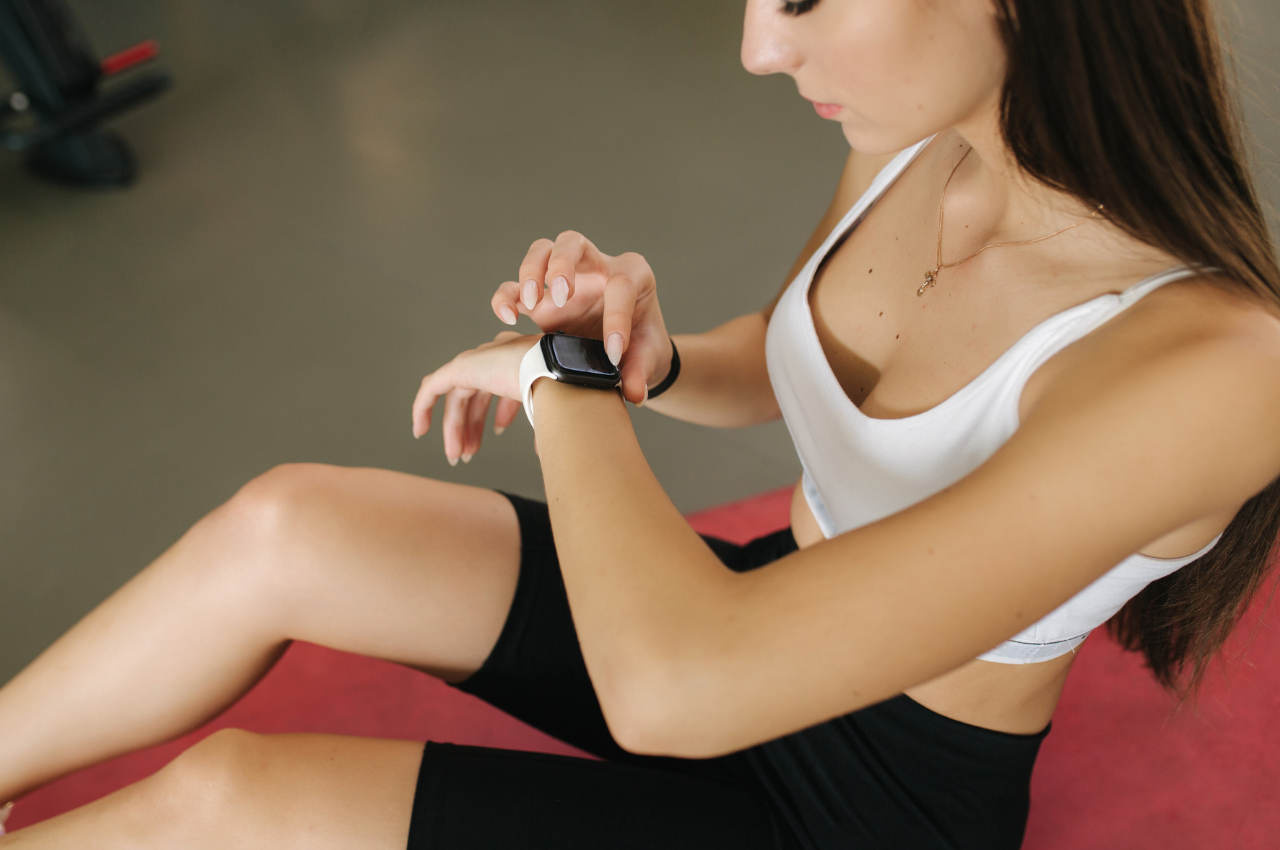
Collecting data is relatively easy, but understanding it is harder. Wearables and connected devices can track heart rate, movement, workouts, sleep, pace, and other metrics. But more data does not automatically translate into more insight.
A change in heart rate, for example, means little without knowing what the person was doing and how they have been responding lately. The same signal can mean different things for different people, or even for the same person on different days.
The question is not simply what changed, but rather what that change means for this person right now, and whether it should affect the next step.
Step 4: Apply Scientific Guardrails
Fitness AI cannot adapt intelligently by identifying patterns alone. Automated guidance still needs boundaries grounded in exercise physiology, evidence-based training principles, and established guidelines for progression and recovery that restrict what the AI can recommend.
Those guardrails help define what the system should and should not recommend. As ability and fitness change, training variables such as workload, intensity, and recovery can change too. Scientific principles provide a framework for adjusting those variables without solely relying on data patterns.
An adaptive system can apply those principles using a person’s goals, current capacity, and recent activity to help determine what’s appropriate next.
Step 5: Make the Next Recommendation
With those guardrails in place, the system can bring everything together: the person’s goals, current condition, recent activity, new data, and response to the existing plan. It can then determine the most appropriate next recommendation.
As Gorelick describes it, that might mean increasing the challenge, easing off, changing the activity, or leaving the plan as it is. Then the cycle begins again as the system observes what happens next and learns from the response.
The Intelligence Is in the Loop
Adaptive health AI does not know everything about a person. It needs to keep learning as new information comes in and use that knowledge to make each new decision more relevant than the last.
That’s the difference between technology that creates a static personalized plan and intelligence that continues to adapt after the plan starts. The experience may look simple to the person using it. But behind that experience is a five-step cycle running in the background that keeps turning new information into better next decisions.