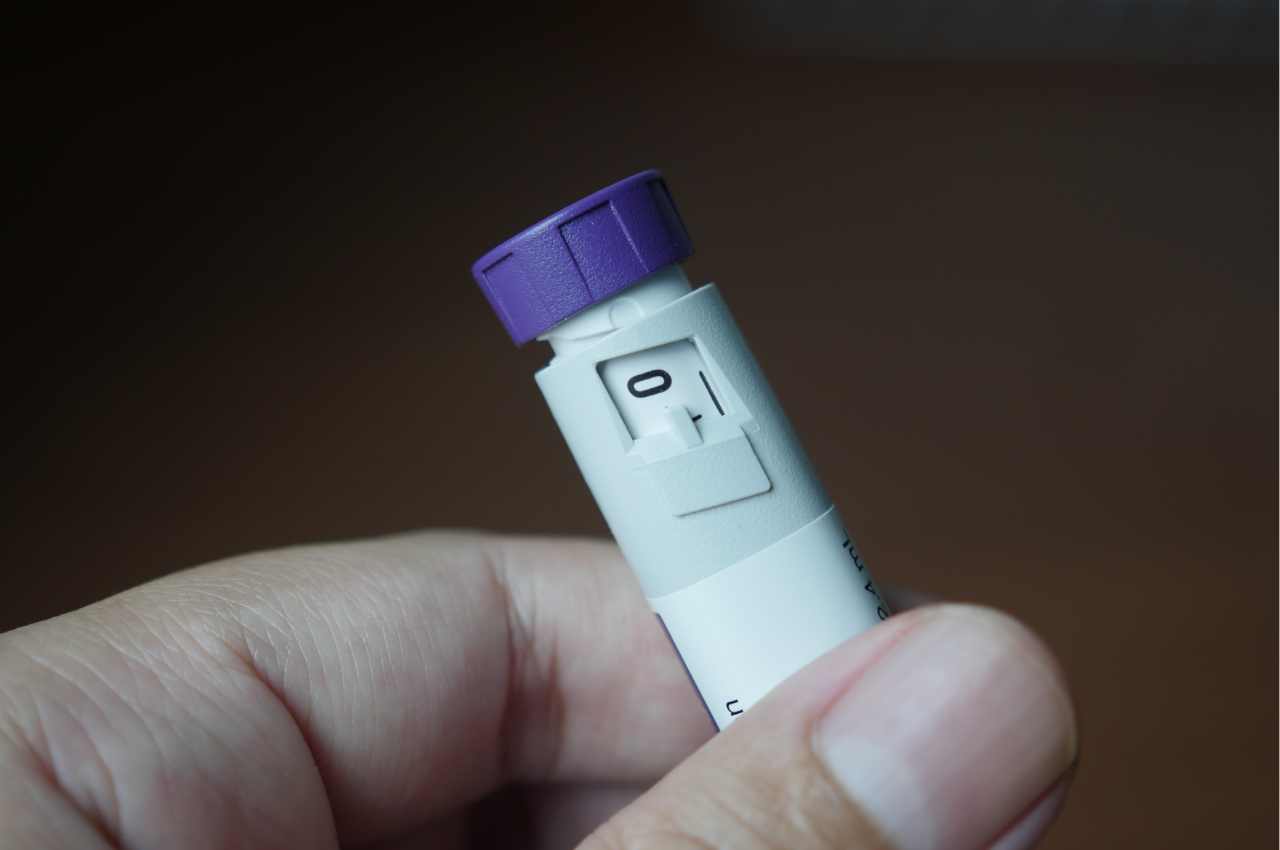
With employer healthcare costs projected to rise by 8% to 9% in 2027, many organizations are reevaluating high-cost benefits such as GLP-1 coverage. Demand for these medications remains strong, but because treatment may be long term, offering broad coverage can put significant pressure on pharmacy budgets. However, eliminating coverage can limit access to effective treatment and may lead to employee pushback. In response, more organizations are adopting new strategies to balance access, outcomes, and cost.
Employers are Scaling Back GLP-1 Coverage
Heading into 2027, a growing number of large U.S. employers are reducing or phasing out GLP-1 weight-loss benefits. Ongoing cost pressures are a big reason for this shift, even as lower-priced options begin to appear. The concern is no longer just the cost per person, but also how many people use these medications and for how long. Consider these trends:
- The share of employers covering GLP-1 obesity drugs fell from 72% in 2025 to 60% in 2026.
- Recent survey data show that about 14% of employers have already dropped or plan to eliminate GLP-1 weight -loss coverage in 2027.
- Major employers across sectors, including Starbucks and Deloitte, are removing or limiting coverage of obesity drugs while continuing to cover GLP-1s for conditions such as Type 2 diabetes.
At the same time, demand may continue to grow as once-daily GLP-1 pills become more widely available, alongside weekly injections. These oral medications could increase utilization among employees who are eligible for treatment but may prefer a pill to an injection.
For HR leaders, the main question is not just whether to cover GLP-1s, but how to design coverage that balances access, health outcomes, and cost.
Employers Are Tightening the Guardrails
Rather than eliminating coverage entirely, many organizations are setting specific clinical and operational requirements. Common strategies include:
- Verifying clinical eligibility: Limiting coverage to employees who meet specific BMI criteria or have documented comorbidities that qualify them for treatment.
- Pairing coverage with lifestyle support: Requiring participation in behavioral, nutrition, or digital support programs alongside medication use. Among employers with 200 or more workers that covered GLP-1s for weight loss in 2025, 34% required enrollees to participate in a lifestyle or clinical support program to qualify for coverage.
Coverage Is Only the First Step
Tighter eligibility and coverage requirements can help employers manage access and costs. But the potential value of that investment also depends on what happens after treatment begins, including whether people stay on the medication long enough to realize its potential benefits.
A 2026 study found that only 44% of participants remained on treatment through 12 months. Those who stayed on treatment lost an average of 13.8% of their starting weight, while those who stopped earlier lost 6.4%. Since the study was observational, it cannot prove that staying on the medication alone caused the difference. Still, the findings highlight why coverage is only part of the solution. Employers also need to consider the support people may need to stay engaged with the treatment over time.
From Drug Coverage to Active Treatment Support
Medication can help with weight loss, but people still have to manage nutrition, physical activity, muscle preservation, recovery, side effects, and daily fluctuations in energy and fatigue.
Lifestyle support cannot guarantee that someone will stay on treatment or that an organization will achieve a specific ROI. But it can provide practical help with the daily behaviors that support treatment, including nutrition, physical activity, recovery, and muscle preservation. For employers, this creates a more structured approach to GLP-1 coverage while supporting healthier habits that can extend beyond medication use.
The next step is to make that support adaptive to each person’s needs over time. PEAR Training Intelligence® uses health protocols, biometric data, and real-world feedback to continually adapt guidance on movement, nutrition, and recovery as needs change. For GLP-1 users, this can include strength-training programs to support muscle preservation, guidance on protein and hydration, and adjustments to activity when fatigue or other challenges arise.
For employers and health plans, the challenge is to manage rising GLP-1 costs while helping people realize the health benefits these medications can provide. Pairing coverage with structured, adaptive support can help organizations move beyond simply paying for medication toward a benefit designed to support better outcomes over time.