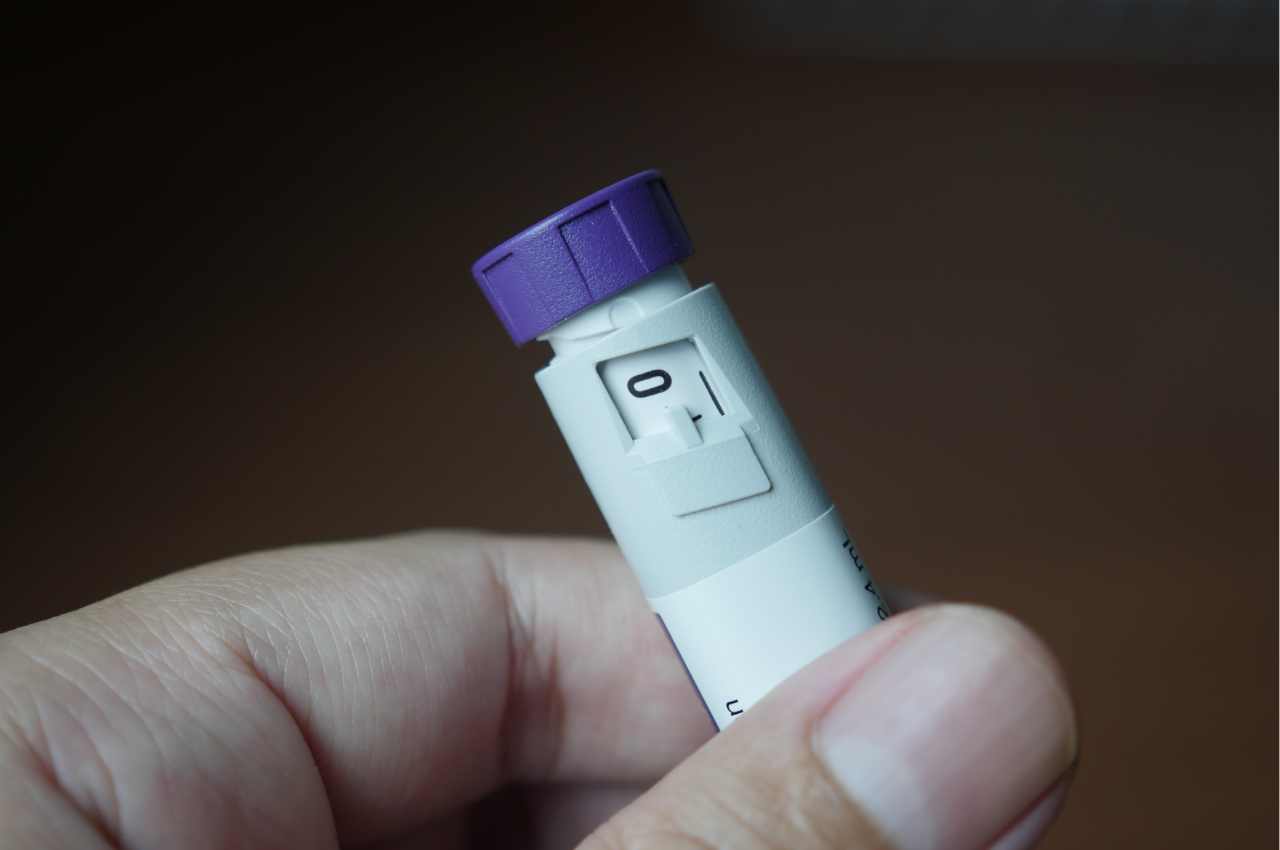
For organizations investing in GLP-1 therapies, providing access to medication is only the first step. Success depends largely on how well individuals navigate the day-to-day realities of treatment: Are they getting enough protein and fluids? How should they exercise when they feel tired or nauseous? How do they lose weight while preserving muscle? And over time, how do they build sustainable habits that support better health? To maximize the value of these medications, organizations need to provide both immediate support for daily challenges and also help them to build healthier habits for the long term.
The Hard Part Happens After Treatment Begins
Starting GLP-1 therapy often begins with a clear plan, but the following weeks rarely go exactly as expected. Appetite can change, energy levels fluctuate, and gastrointestinal side effects can make it difficult to maintain healthy routines, including physical activity.
A 2025 JAMA study of more than 125,000 adults found that nearly 65% of GLP-1 users without type 2 diabetes discontinued treatment within a year, with gastrointestinal side effects cited as a primary factor.
No single solution can address every barrier to treatment adherence. However, these findings make a strong case for providing more support as people adjust to GLP-1 therapy. And because their needs can change from one day to the next, that support needs to change too.
From Static Advice to Adaptive Guidance
This is where agentic health AI can help. While a generic exercise plan may set fixed weekly targets, an adaptive system can use current data and context to determine what makes sense next.
Many GLP-1 programs offer coaching, tracking, or both. Pear® goes further by connecting movement, nutrition, recovery, and real-world feedback through Training Intelligence®. Its GLP-1 companion combines targeted strength training and cardio with the ability to reduce intensity when more recovery is needed. Simultaneously, it tracks protein intake and hydration in real time to help people stay fueled for activity. The result is guidance that can change depending on the person and the circumstances.
Muscle Preservation Should Be Non-Negotiable
Protecting lean body mass is essential during GLP-1 therapy. A 2026 meta-analysis of 20 randomized trials (15,000+ participants) found that lean mass accounted for roughly 25% to 39% of total weight lost on GLP-1s, threatening long-term strength, mobility, and metabolic health.
Resistance training is a primary safeguard against muscle loss. The same 2026 analysis showed that interventions including resistance training produced the best results for muscle preservation. For organizations supporting GLP-1 users, strength training should be a key component of the overall treatment strategy.
Aligning with Broader Healthcare Shifts
Access to medication is only one part of GLP-1 therapy. Healthcare leaders and regulators increasingly recognize that medication without lifestyle support falls short. The Centers for Medicare & Medicaid Services’ (CMS) BALANCE Model reflects this shift by pairing GLP-1 coverage with structured interventions that promote healthier eating, physical activity, and long-term health.
Pear Health Labs®: Supporting the GLP-1 Journey for the Short and Long-Term
GLP-1s are changing what’s possible in obesity treatment, but they don’t remove the need to build healthier habits. Pear’s GLP-1 support brings together three essential elements: resistance training to protect muscle, activity that adapts to fatigue or stress, and nutrition support. Rather than leaving people to manage each of these on their own, Pear provides personalized, day-to-day guidance that adjusts as needs change. That can help organizations address immediate treatment challenges while supporting the healthier habits that matter over time.