Physical inactivity continues to be a persistent and costly challenge for health plans and organizations working to improve population health. Traditional exercise programs often require 30 minutes or more of continuous activity, creating a barrier for people who are inactive, deconditioned, or short on time. But improving health doesn’t necessarily require lengthy workout sessions. There is a growing body of research showing that “exercise snacking” can deliver measurable health benefits and provide a practical, evidence-based starting point for hard-to-engage populations.
What Is Exercise Snacking?
Exercise snacking means engaging in short, repeatable bouts of activity throughout the day. Examples include climbing stairs, brisk walking, or doing bodyweight exercises.
This approach aligns with current physical activity recommendations. The Physical Activity Guidelines for Americans no longer require activity to be done in sessions of at least 10 minutes. Now, even shorter bursts of activity can count toward the recommended weekly goal of 150 minutes of moderate activity, or 75 minutes of vigorous activity.
For someone who finds a 30-minute workout intimidating or unrealistic, doing several shorter sessions during the day may feel far more achievable.
Small Bouts, Measurable Outcomes
Increasingly, research suggests that exercise snacking can make a difference:
- Cardiorespiratory fitness: A 2026 systematic review and meta-analysis examining 11 randomized controlled trials (involving 414 inactive adults) found that exercise snacking significantly improved cardiorespiratory fitness, an important indicator of cardiovascular health and overall longevity.
- Blood glucose regulation: In adults with insulin resistance, exercise snacks performed before meals improved 24-hour glucose control compared with a single continuous exercise session.
- Functional strength: A pilot study of older adults found that brief, twice-daily resistance training improved sit-to-stand performance by 31% over four weeks.
- Mortality risk: Observational data from more than 25,000 non-exercising adults found that as little as 4.4 minutes of daily vigorous intermittent activity was associated with a 26% -30% lower risk of all-cause mortality.
These results are promising, but the strongest evidence is for improvements in cardiorespiratory fitness. Other potential benefits, particularly long-term outcomes, still require further research.
Why Shorter Workouts May Improve Engagement
One of the biggest challenges in population health management isn’t a lack of fitness options. It’s getting people to start exercising and to stick with it. Traditional exercise programs often require people to set aside time, choose an activity, and maintain a consistent schedule. For someone who is inactive, these demands can become reasons not to start.
Exercise snacking can help lower these barriers:
- Fewer logistical demands: Brief activities can be completed without special equipment, workout clothes, or a trip to the gym.
- Small, achievable successes: Finishing a brief activity can build confidence and motivate people to keep going. Over time, these manageable efforts can help establish habits that lead to more physical activity.
- High adherence: A 2026 review of 11 randomized controlled trials reported an average adherence rate of 82.8% for exercise snacking programs, suggesting that short bursts of activity may be easier for inactive adults to sustain.
For health plans and clinical networks, the takeaway is clear: A program people can realistically follow may do more for health than a more ambitious plan that no one starts.
A More Practical Path to Population Health
Exercise snacking is not meant to replace structured training for everyone. Its greatest value is that it gives people who might otherwise remain inactive an evidence-based starting point.
The goal is then to build on that starting point. Rather than expecting everyone to meet the same exercise target from the outset, programs can begin with achievable activity levels and gradually increase them as people improve.
Turning Exercise Snacks Into Adaptive Health Guidance
Of course, progress doesn’t always move in a straight line. Fitness levels, recovery needs, and personal circumstances can change over time. Making exercise snacking part of a sustainable fitness program means knowing how much activity is appropriate, when to increase it, and when to pull back.
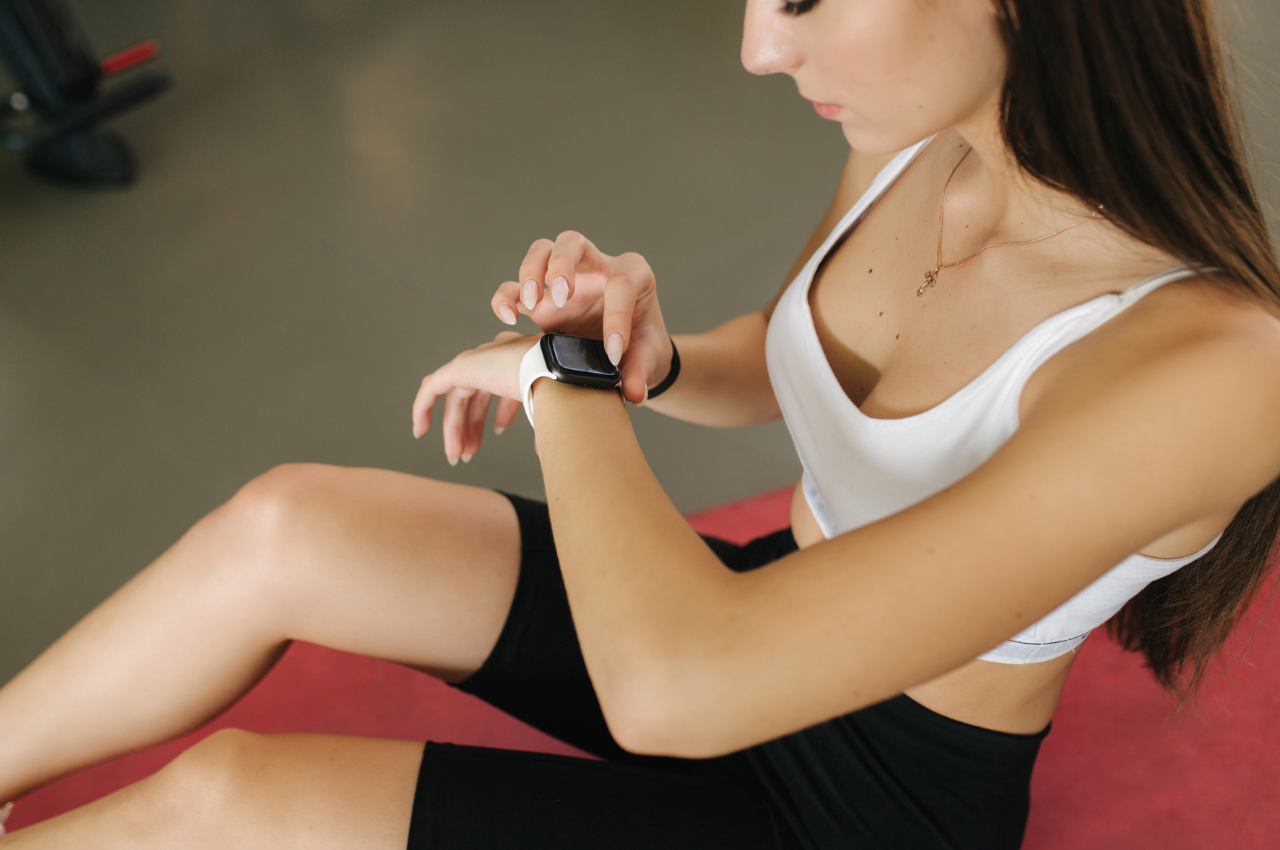
Adaptive health technology can help with these choices by tracking activity patterns and individual responses over time. As fitness improves, activity can gradually increase. If someone feels too tired for a long session, shorter bouts can help them stay on track.
Training Intelligence® puts these principles into practice using biometric data, activity history, and readiness information to guide personalized exercise recommendations. Rather than prescribing the same workout target for everyone, Pear Health Companion™ helps people build on what they can do, at a pace that fits their needs.
For population health programs, making physical activity achievable is an important first step. The greater opportunity lies in helping people stay active, make progress, and build healthier habits over time.