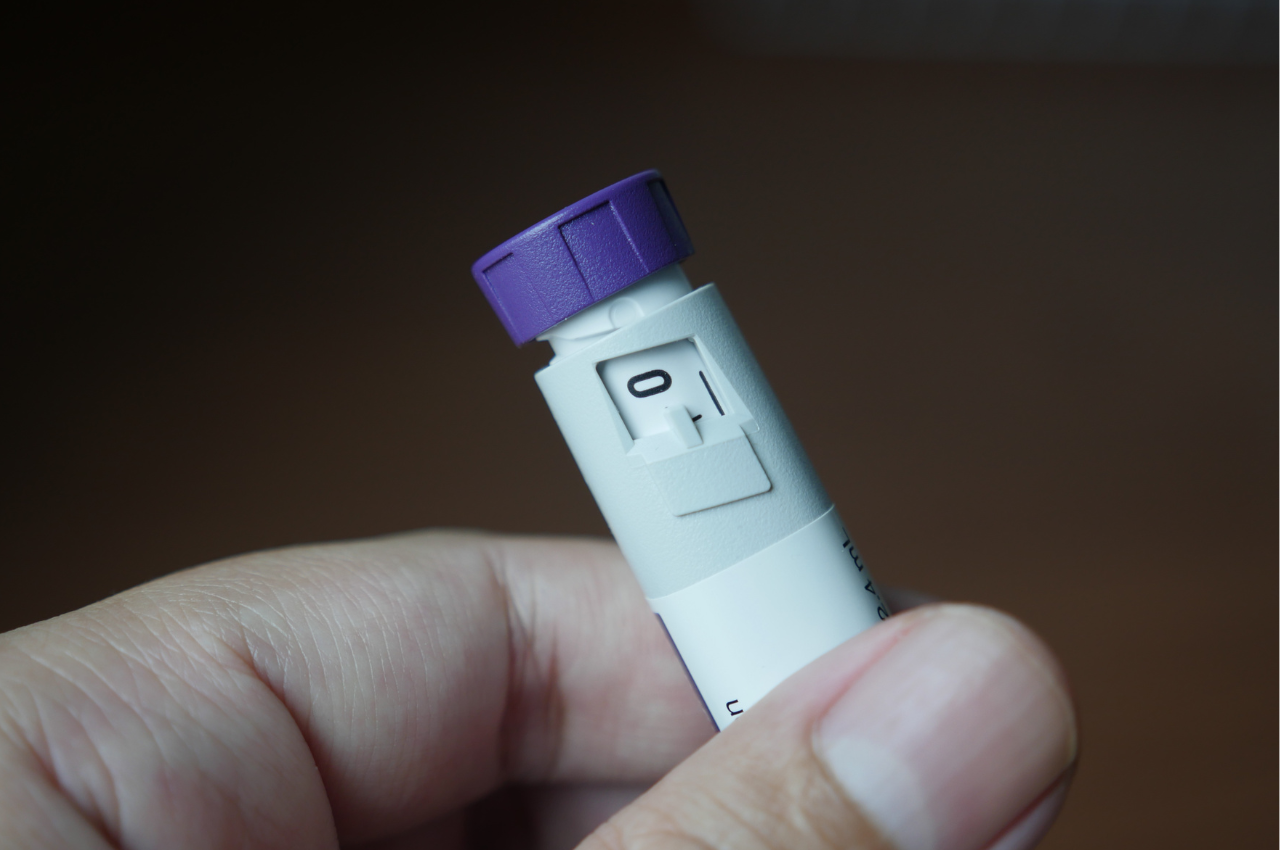
For health plans, provider networks, and pharmaceutical leaders supporting GLP-1 therapy, clinical success is no longer just about the number of pounds lost. At a net cost of $7,000 to $10,000+ per member annually, the treatment’s value increasingly depends on the quality of weight loss, specifically how much fat is lost, how much muscle is preserved, and whether individuals maintain their strength and physical function. The question then becomes: What constitutes “good” weight loss?
Not All Weight Loss Is Created Equal
High-value weight loss means reducing excess fat while preserving as much muscle, strength, and physical function as possible. That matters because when people lose a lot of weight, they typically lose both fat and lean body mass. Nutrition-based weight-loss studies report a 75/25 split, with roughly a quarter of weight loss coming from lean tissue.
GLP-1 treatment shows a similar trend. In a body-composition substudy, participants taking tirzepatide for 72 weeks lost approximately 75% of their weight from fat and 25% from lean mass. Improving this balance can support better outcomes and greater long-term value.
Muscle Preservation Changes the Risk Equation
The issue extends beyond body composition. If a GLP-1 helps an individual lose 40 pounds but leaves them frail, sarcopenic, and vulnerable to fractures or rapid weight regain, the total cost of care could actually increase rather than decrease.
While losing weight can improve heart and metabolic health, losing too much muscle may create downstream liabilities across two primary risk areas:
- Functional decline: Muscle loss can be especially critical for older adults and individuals at risk for sarcopenic obesity. Reduced muscle strength and function increase the risk of falls, fractures, and hospitalization, as well as cognitive impairment.
- Weight regain: Significant weight loss can slow down metabolism, largely due to the loss of metabolically active lean mass. When individuals stop taking a GLP-1, they often regain weight quickly. In one study, participants regained about two-thirds of their lost weight within one year of stopping semaglutide.
Because of these risks, muscle preservation is a fundamental part of GLP-1 treatment. But protecting muscle doesn’t happen on its own. It requires targeted interventions, specifically structured strength training along with adequate protein intake.
Muscle Preservation Moves into Clinical Guidance
Clinical guidelines are evolving to reflect this broader definition of success. The 2026 American Diabetes Association (ADA) Standards of Care now explicitly recommend targeted muscle-strengthening activity and adequate protein intake for people using obesity medications to minimize muscle loss.
However, just having clinical recommendations doesn’t automatically mean they are always put into practice. Knowing what individuals should do and giving them the tools and support to do it consistently across a population remain two very different challenges.
From Weight Loss to Better Weight Loss
As GLP-1 use continues to expand, the next evolution in treatment may be less about achieving greater weight loss and more about improving the quality of that loss: helping people lose excess fat while preserving their strength, function, and long-term health.
This is where adaptive health technology can help close the execution gap. Pear’s Training Intelligence® uses real-time data to track activity, readiness, recovery, nutrition, and response. This helps determine what support is needed next, whether it’s time to increase resistance training, lower the intensity, focus on recovery, or give more nutrition guidance.
By adapting support as an individual’s needs change throughout treatment, PEAR can help turn muscle preservation guidance into consistent, scalable action across a population.