As the population ages and the demand for senior healthcare services increases, the need for preventative healthcare will become more and more important. Empowering seniors to take control of their health through physical activity can help create a happier, healthier, and more engaged senior population.
Benefits of Increasing Physical Activity
Increasing physical activity levels is the most important intervention for improving health in populations. For older adults, extending life is important, but maintaining functional independence is also crucial for maintaining quality of life and managing health resources.
Ways physical activity can benefit seniors:
- Improved cardiovascular health: Regular physical activity can help improve blood circulation, reduce the risk of heart disease, and lower blood pressure.
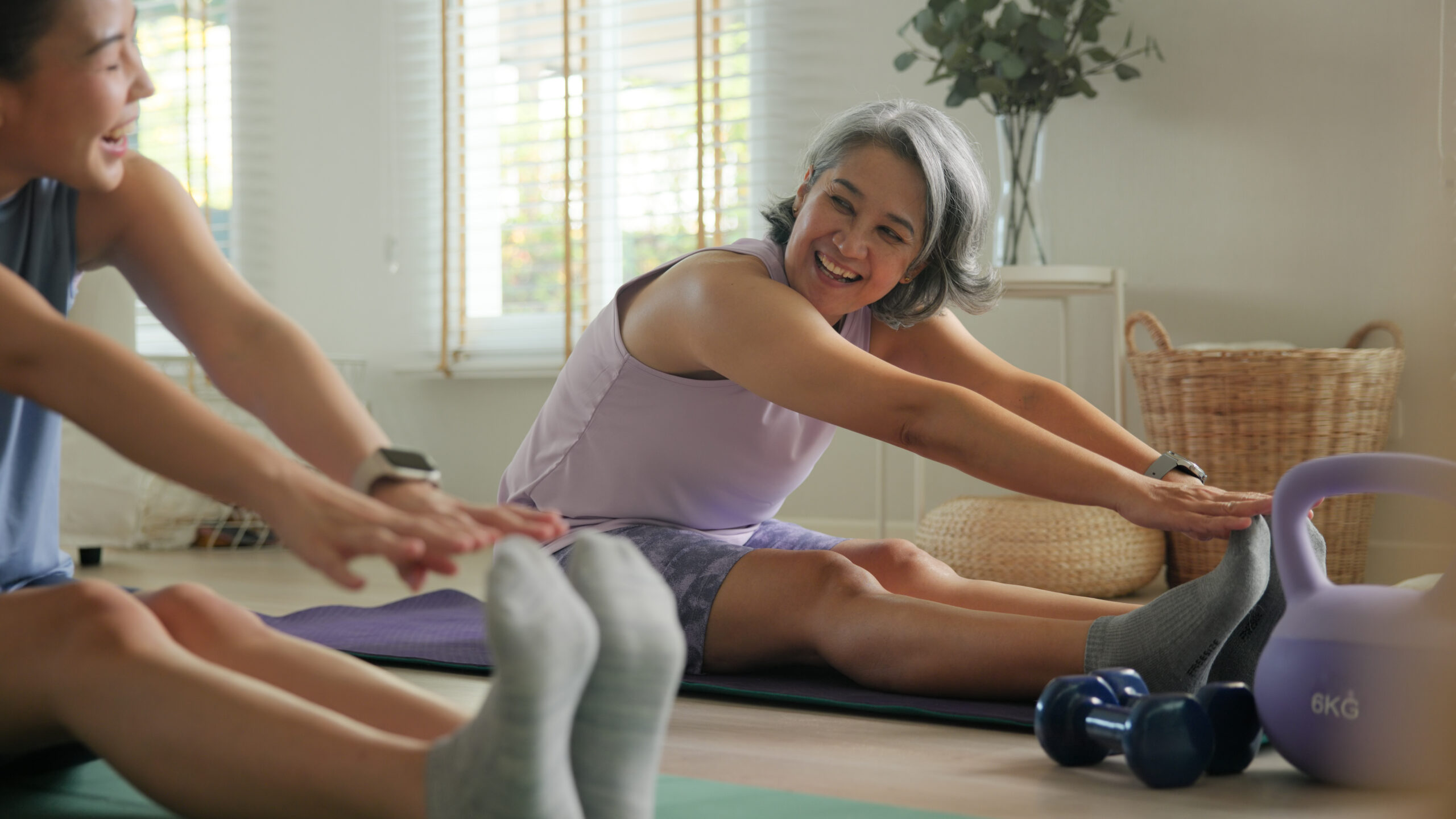
- Increased mobility and flexibility: As seniors age, they may experience a decline in mobility and flexibility. Engaging in physical activity can help maintain and even improve mobility and flexibility, making it easier to perform daily activities and reducing the risk of falls.
- Improved mental health: Physical activity has been shown to improve mental health in seniors, reducing the risk of depression and anxiety. It can also improve cognitive function, including memory and attention.
The CDC recommends that adults 65 and older engage in physical activities every week. These activities should include:
- At least 150 minutes (for example, 30 minutes a day, 5 days a week) of moderate-intensity aerobic activity such as brisk walking. Or you need 75 minutes a week of vigorous-intensity aerobic activity such as hiking, jogging, or running.
- At least 2 days of activities that strengthen muscles.
- Activities to improve balance such as standing on one foot.
Many seniors face barriers to exercise, including physical limitations, lack of motivation, and lack of social support. According to a recent study by the Centers for Disease Control and Prevention, only 28-34% of adults aged 65-74 are getting enough physical activity, and this number drops to 17-27% for adults aged 75 and older. This highlights the need for strategies to overcome barriers to exercise in seniors.
How to Overcome Barriers
- Provide a Variety of Workouts for All Levels
Providing a variety of workouts for all levels is a helpful strategy to encourage physical activity in older adults. This ensures that there is something for everyone, from low-impact exercises like yoga and Pilates to high-intensity workouts like aerobics and strength training. With a variety of classes to choose from, users can mix up their workouts and find the perfect balance between cardio, strength, and flexibility training.
- Personalized and Adaptive Coaching
Personalized and adaptive coaching is another strategy that takes into account the individual’s physical limitations and fitness goals. This helps seniors with mobility issues or chronic conditions improve their physical health without risking injury.
- Foster a Sense of Social Community
Encouraging a sense of social community is important to help seniors stay motivated and committed to their exercise routines. Users who work together towards a common goal can be a powerful motivator and help them feel less isolated and more motivated to stay active and healthy.
Aaptiv as a Resource
Aaptiv offers a complete senior fitness solution that will set your plan apart and help seniors stay active and healthy. Their AI-powered coaching powered by PEAR Training Intelligence takes into account the physical limitations and fitness goals of each user, ensuring that they can participate in workouts tailored specifically to their needs and goals. In addition, Aaptiv provides programs and challenges that encourage users to work together towards a common goal, fostering a sense of social community that can be a powerful motivator. By addressing common barriers to exercise in seniors, Aaptiv is empowering seniors to take control of their health and increase their daily physical activity.
Learn more about Aaptiv Medicare options.
(Before starting any exercise regimen, it’s important to talk with your doctor to learn which options are right for your health and activity level. Then, you’ll be ready to experience the proven and immense benefits of exercise firsthand.)