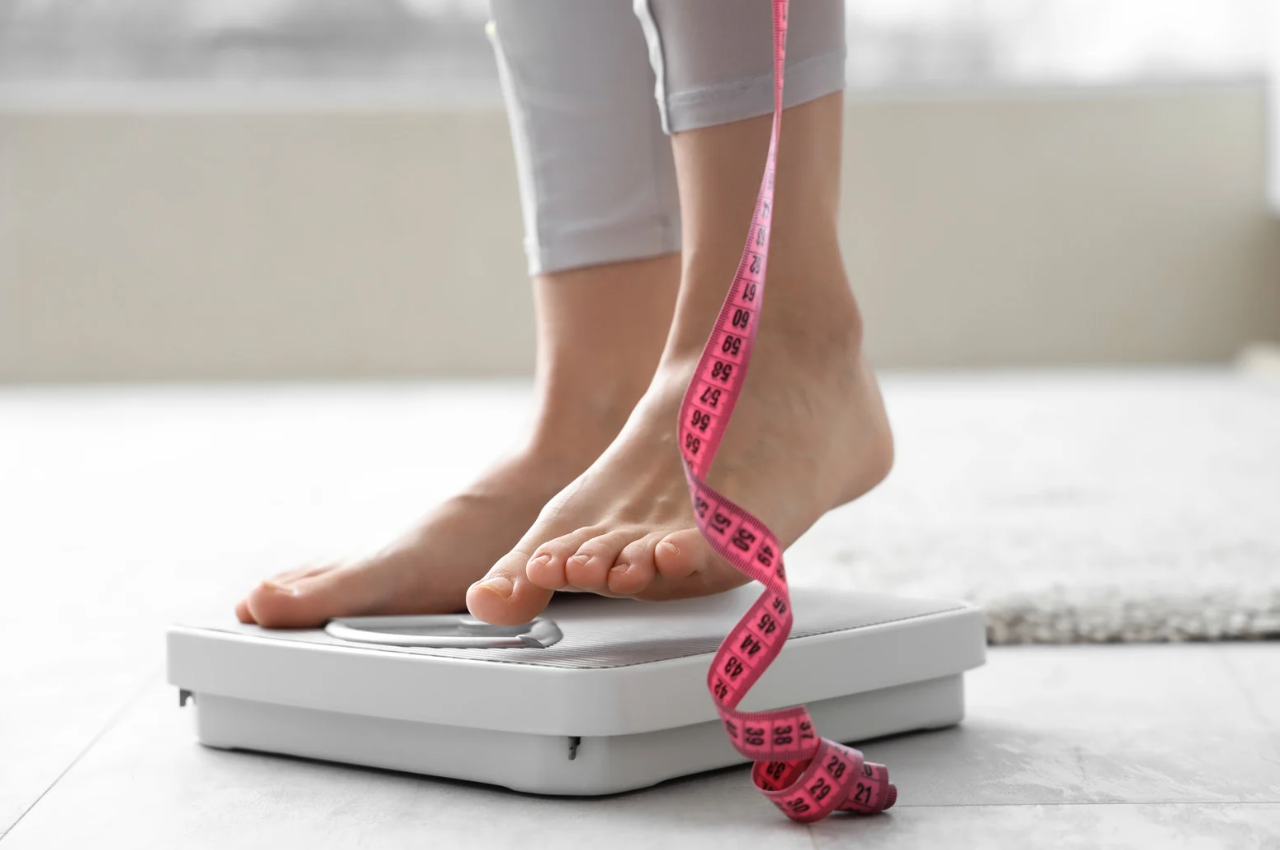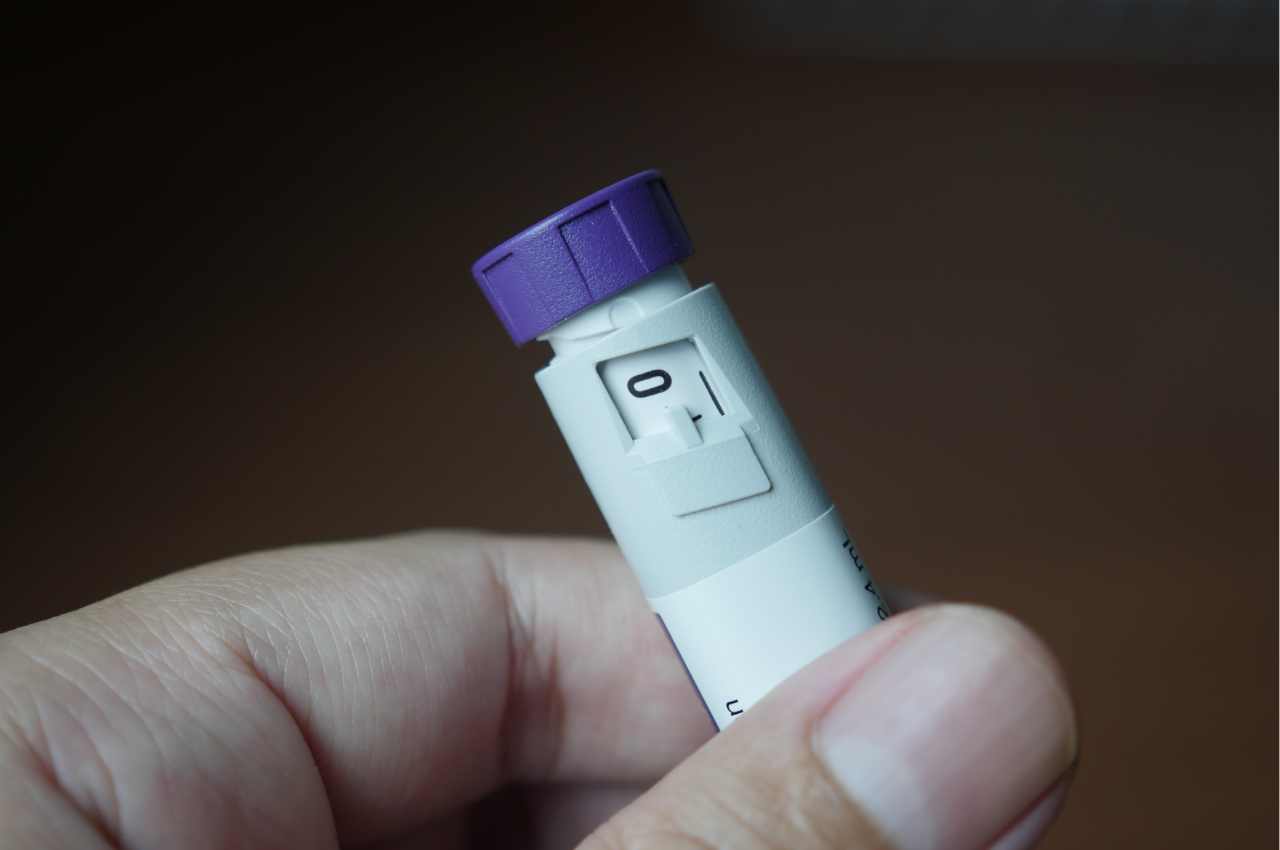
Until recently, the recipe for weight loss focused almost exclusively on lifestyle-based approaches, basically “eat less and exercise more.” But today, the new generation of weight-loss medications is dramatically reshaping the dieting landscape. While there are concerns that relying on a “pop-a-pill” approach might deter people from adopting healthier habits like exercise, a growing consensus suggests these medications could encourage more physical activity. Discover how exercise can amplify the effects of the anti-obesity drugs, creating an even more powerful strategy for effective and lasting weight management.
The Synergy of Exercise and Anti-Obesity Drugs
Manufacturers of anti-obesity medications recommend healthy lifestyle changes, such as adjusting your diet and increasing physical activity as a key component of the treatment plan. Exercise in particular plays a crucial role. Combining physical activity with medications creates a synergy, with each addressing different aspects of the complex mechanisms involved in obesity. Medications help regulate appetite and metabolism, while exercise boosts energy and fat utilization. Together they form a powerful combination that can significantly improve outcomes.
Why Exercise Matters
According to Dr. Amy Lee, obesity expert and Chief Medical Officer at Pear Health Labs, “The medications promote rapid weight loss which can lead to muscle loss, decreased bone density, and a lower metabolic rate. This can lead to sarcopenia, a gradual loss of muscle mass and strength typically associated with aging.”
Muscle mass is important for normal activity, and loss of muscle makes a person weaker and more tired. To counter this, Dr. Lee and other health experts recommend regular weight and resistance training, along with at least 150 minutes of moderate aerobic exercise each week. She adds “These guidelines aren’t just for those on weight-loss medications but are crucial for optimal health and disease prevention for everyone.”
Research Highlights
Recent studies highlight the impact of combining exercise with anti-obesity medications:
- Patients on semaglutide (Ozempic®, Wegovy®) who engaged in at least 150 minutes of weekly activity lost an average of 14.9% of baseline weight, compared to 2.4% for the placebo.
- A tirzepatide (Mounjaro®) study echoed these results, showing significant weight loss when combined with at least 150 minutes of weekly physical activity.
- Another study found combining liraglutide (Saxenda®) with exercise led to more weight loss than medication alone.
Additionally, anecdotal evidence suggests that the medications may boost people’s motivation to do more physical activity. As they lose weight, it becomes easier to start and maintain an exercise routine.
How Exercise Amplifies Medication Results
A key concept driving ongoing research is that physical activity may enhance the drug’s effects on metabolic rate. Exercise can magnify the appetite-regulating and metabolic effects targeted by medications.
Additionally, the medications mimic a hormone that helps reduce appetite and food intake, resulting in fewer calories consumed. Reduced calories combined with more exercise can result in more weight loss.
Moreover, regular physical activity can improve insulin sensitivity, a key factor in weight management and metabolic health, potentially enhancing the body’s responsiveness to weight-loss medications.
Note: The relationship between physical activity and anti-obesity medications is nuanced. Results will depend on the specific medication and the person taking it. Speak to a healthcare provider for more information.
A Surge in New Fitness Enthusiasts
Analysts predict the new weight-loss medications will cause a surge in the number of people who want to start exercising, especially among those new to exercise. This wave is expected to drive interest in fitness apps and trackers, essential tools for monitoring goals and keeping health and weight management efforts on track.
There’s a practical reason for the increased interest in exercise with this group as well. Those who are overweight often avoid working out because they don’t feel fit, or they’re self-conscious about how they look. As they lose weight, they’ll become more comfortable exercising and will be eager to start a fitness journey.
More research will be needed to determine the long-term effects of anti-obesity drugs on exercise behavior. However, the broader message is clear: Lifestyle changes, including both diet and exercise, remain essential for long-term health and effective weight management.
Aaptiv as a Fitness and Weight Management Tool
Aaptiv offers an all-in-one wellness solution that includes personalized workout plans, access to a network of 17,000 national and local gyms, and over 8,500 on-demand fitness and mindfulness classes. With PEAR’s Training Intelligence, Aaptiv’s adaptive coaching helps users stay motivated and engaged with their exercise routine. As users progress through their workouts, it adapts to their performance in real-time, providing feedback and adjustments to ensure they are getting the most out of their workout. This hyper-personalized approach can help anyone achieve their fitness goals and improve their overall health and well-being.