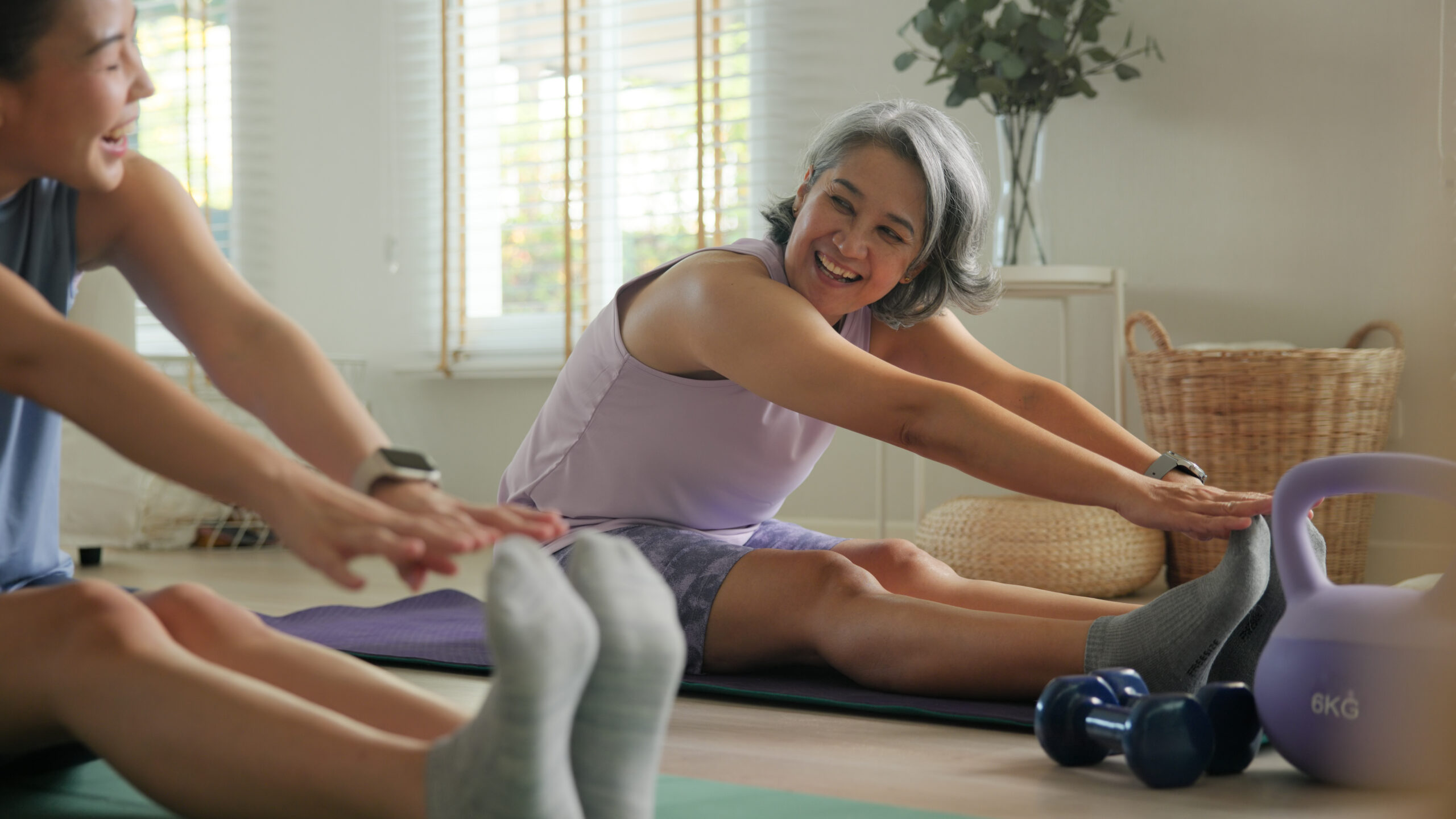
Imagine a world where every step you took was essential for survival. For our hunter-gatherer ancestors, movement wasn’t a choice but a necessity. Hunting, foraging, and evading predators demanded constant physical activity. Today, however, technology and modern conveniences have made movement optional. This drastic shift has created a disconnect; while our bodies are designed for activity, our lives are increasingly stationary. Learn how evolution and exercise are intertwined and what employers can do to help workers become more active in an inactive world.
The Human Body: Built for Movement, Not for Sitting
Research suggests that early humans were constantly moving, walking between six and nine miles each day. In stark contrast, today’s office workers spend most of their day sedentary. Millennials, for example, now sit for over 60 hours a week commuting, working on the computer, or scrolling through social media in their downtime. This extended sitting takes a toll on health, contributing to heart disease, weakened muscles, and metabolic disorders, to name a few.
A recent Harvard Magazine article points out that movement was, and still is, crucial to survival. Without regular “physical strain,” the body’s natural repair processes slow down. Muscles lose strength if they’re not used, and bones lose density without weight-bearing activities. Lack of physical activity weakens the body’s ability to repair itself, leading to increased cellular damage over time.
A Sedentary Shift: The Cost of Modern Living
Our biology hasn’t changed, but our environment certainly has. We’re built to move, yet modern life encourages us to stay still. From garage door openers to robotic vacuum cleaners and lawnmowers, nearly every aspect of our daily lives is designed to reduce or remove physical effort. To stay healthy in a world that discourages movement, we need to rethink how we can bring activity back into our lives.
From Obstacle to Opportunity: Technology as a Fitness Ally
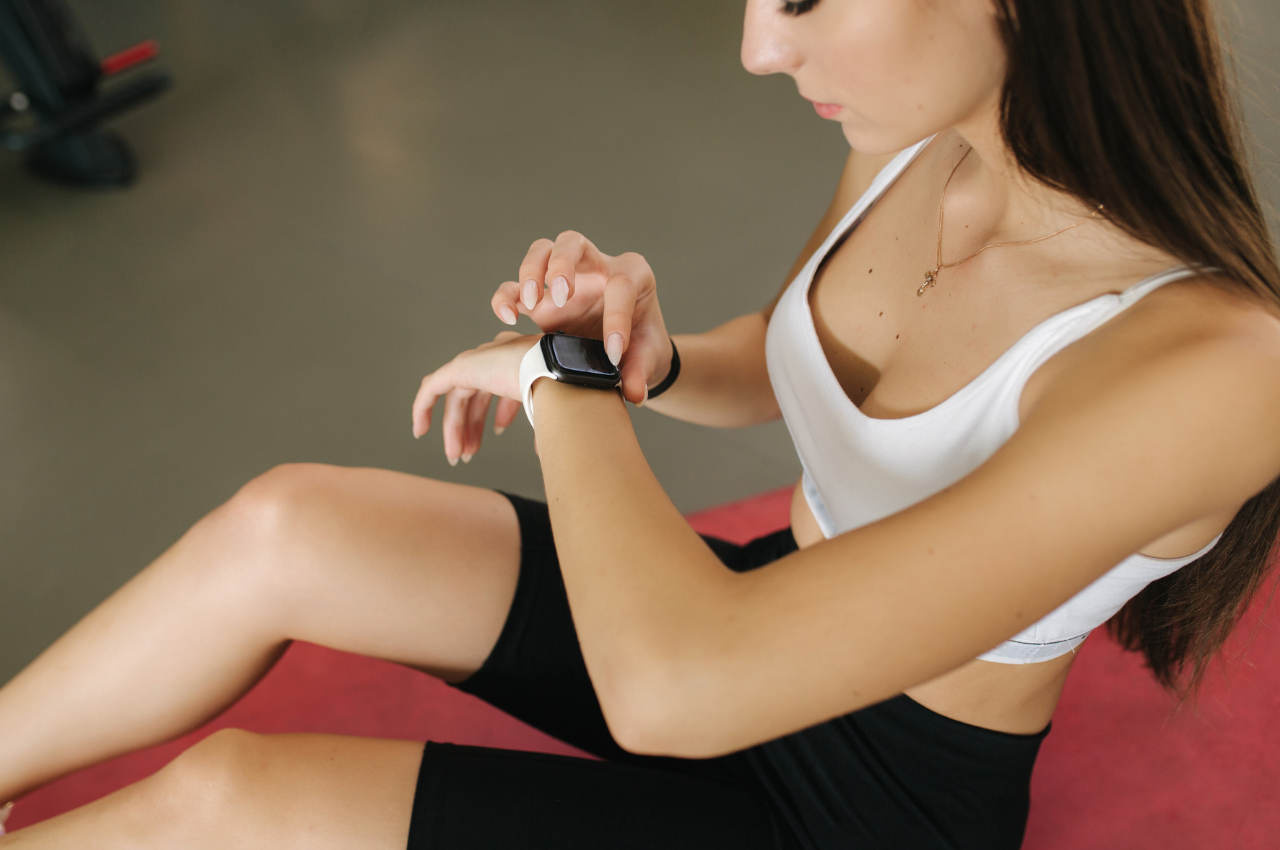
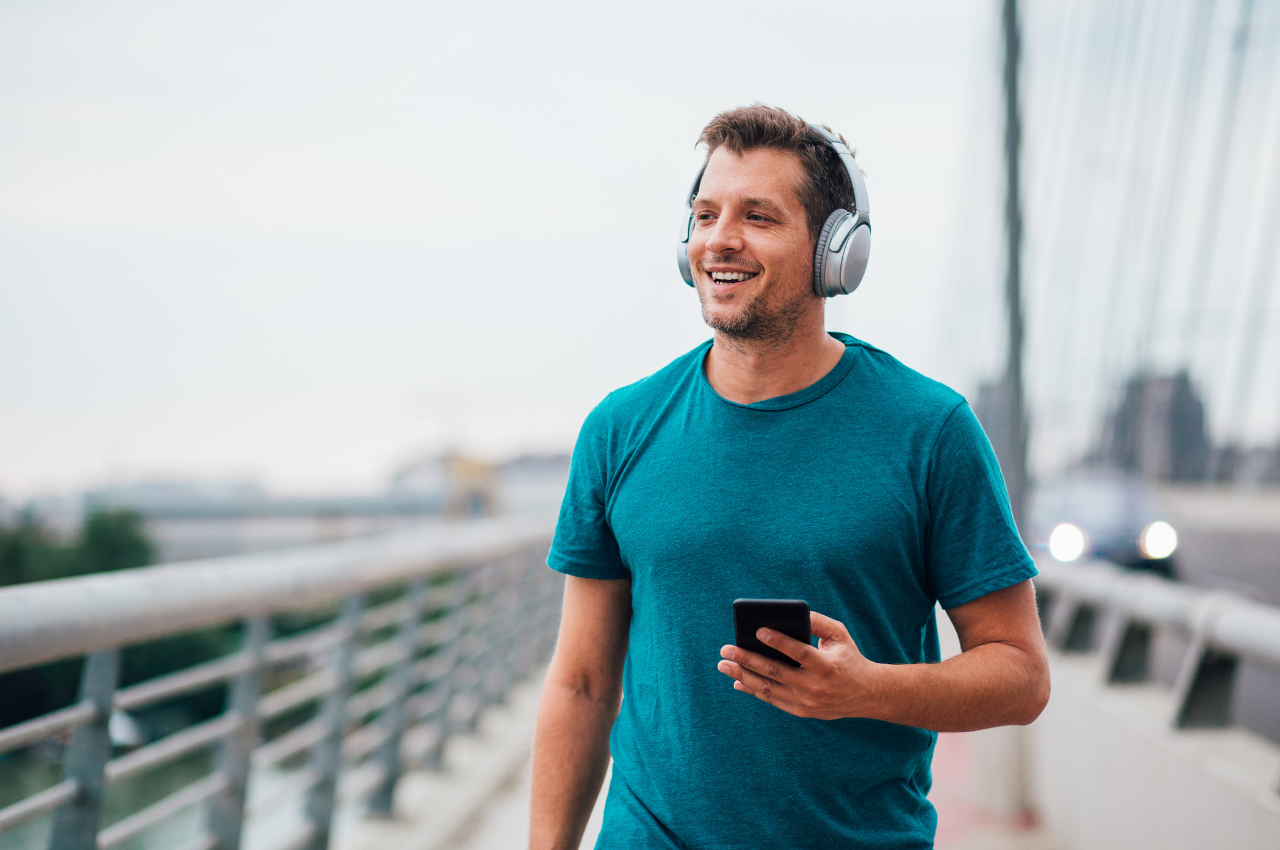
While technology has undeniably contributed to a more sedentary lifestyle, it can also be a powerful tool for making exercise more engaging and effective. Technology offers an unprecedented opportunity for anyone, anywhere, to receive best-practice exercise support. AI-driven fitness apps like Aaptiv function like personal trainers, creating hyper-personalized plans tailored to each user’s needs. Employees can access thousands of workouts anytime, anywhere, making it easier to stick to a fitness routine.
Redefining Exercise: Movement Beyond the Gym
With so much of the day spent at work, employers are uniquely positioned to help counteract the adverse effects of a sedentary lifestyle. As Bob Alison, co-founder and CEO of PEAR Health Labs explains, “It starts with redefining what exercise looks like. Physical activity doesn’t have to mean intense gym sessions. Even short, consistent moments of movement throughout the day can significantly impact health.” He adds, “The key is to give employees the tools they need to integrate more movement into their daily lives, both at work and home.”
Fitting Fitness into any Schedule
Often, the biggest barrier to exercise is lack of time. On-demand and AI-powered fitness apps offer employees flexibility, allowing them to choose how and when to exercise, making it easier to fit movement into their day.
By leveraging technology and supporting more physical activity in the workplace, employers can combat the shift towards a sedentary lifestyle and help workers become more active despite an increasingly inactive world.
Aaptiv: A Fitness Solution to Combat a Sedentary Lifestyle
Aaptiv’s all-in-one employee wellness solution uses PEAR’s Training Intelligence to deliver personalized programs tailored to every fitness level. With an extensive selection of over 10,000 on-demand classes spanning 16 fitness and wellness categories, plus access to a network of over 20,000 national and local gyms, employees get exactly what they want and need to improve their health and well-being.